
Comprehensive care
Obesity surgery cannot be considered without comprehensive support.
It is part of a pathway including:
- nutritional follow-up
- psychological support
- regular medical follow-up
- lifestyle adaptation
As Dr. Valérie Pautot points out:
“The intervention is a starting point, not an end in itself. The real work begins afterward.”
A multidisciplinary approach
Obesity care is based on the collaboration of several professionals.

Professionals involved
- surgeon
- nutritionist
- psychologist
- primary care physician
- gastroenterologist
Coordination
Coordination among caregivers is essential to ensure appropriate care.
“What is essential is the coordination of the teams. You cannot operate on a patient without collective work both before and after.”
What is obesity surgery?
Bariatric surgery includes several techniques aimed at modifying the functioning of the digestive system.
Depending on the procedure, it can act on:
- stomach capacity
- the feeling of hunger
- satiety
- food absorption
The main objective is to enable sustainable weight loss, but also to improve certain diseases associated with obesity.
These interventions are now recognized as effective treatments for well-defined indications.
Why consider obesity surgery?
Obesity is a chronic disease that can have significant health consequences.
It can be associated with:
- type 2 diabetes
- high blood pressure
- sleep apnea
- cardiovascular diseases
- joint disorders
When conventional treatments are no longer sufficient, surgery may be considered as a therapeutic option.
A disease that requires comprehensive care
Obesity surgery is offered in specific situations.
It can be considered when:
- the body mass index is high
- complications related to obesity are present
- other treatments have failed
But beyond these criteria, several elements are evaluated:
- weight gain history
- eating habits
- overall health status
- patient expectations
- their ability to commit to follow-up
Each indication is subject to a personalized evaluation.
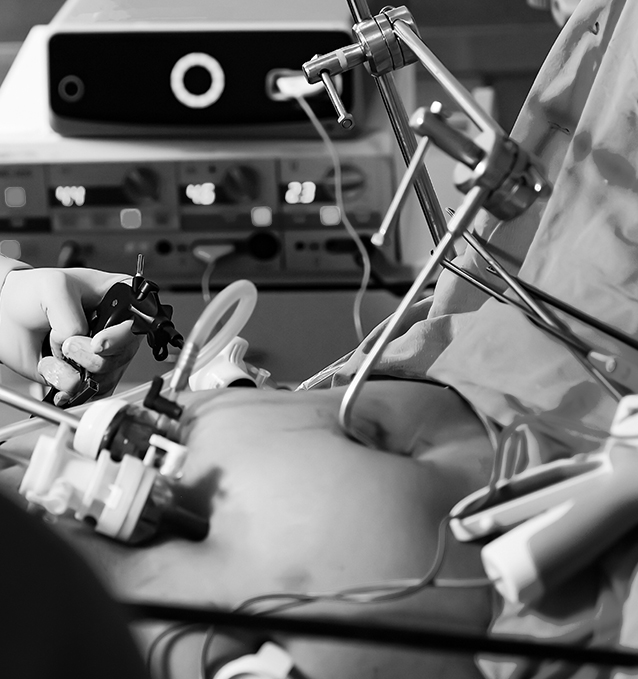
Main obesity surgery techniques
Several techniques may be offered depending on the patient’s profile
Sleeve gastrectomy
Reducing stomach volume
Gastric bypass
Modifying the digestive circuit