Obesity surgery is intended for patients with severe obesity and/or obesity associated with one or more related conditions, when medical management has not achieved sustained weight loss.
It is not a quick or stand-alone solution, but a therapeutic tool integrated into a structured pathway, including an assessment and preparation phase, a personalised strategy and long-term follow-up.
Patients seeking information about obesity surgery generally want to understand their condition, the available options, the indications, the expected results and the constraints associated with this type of care pathway.
Understanding the care pathway
Each step aims to ensure the process is safe and to adapt
treatment to each patient’s situation.
Initial medical assessment
Assessment by the whole team
Patient preparation: Individual plan
A supervised, shared decision
Post-operative support
The main procedures
The choice depends on the patient’s profile, their medical history
and their pathway.
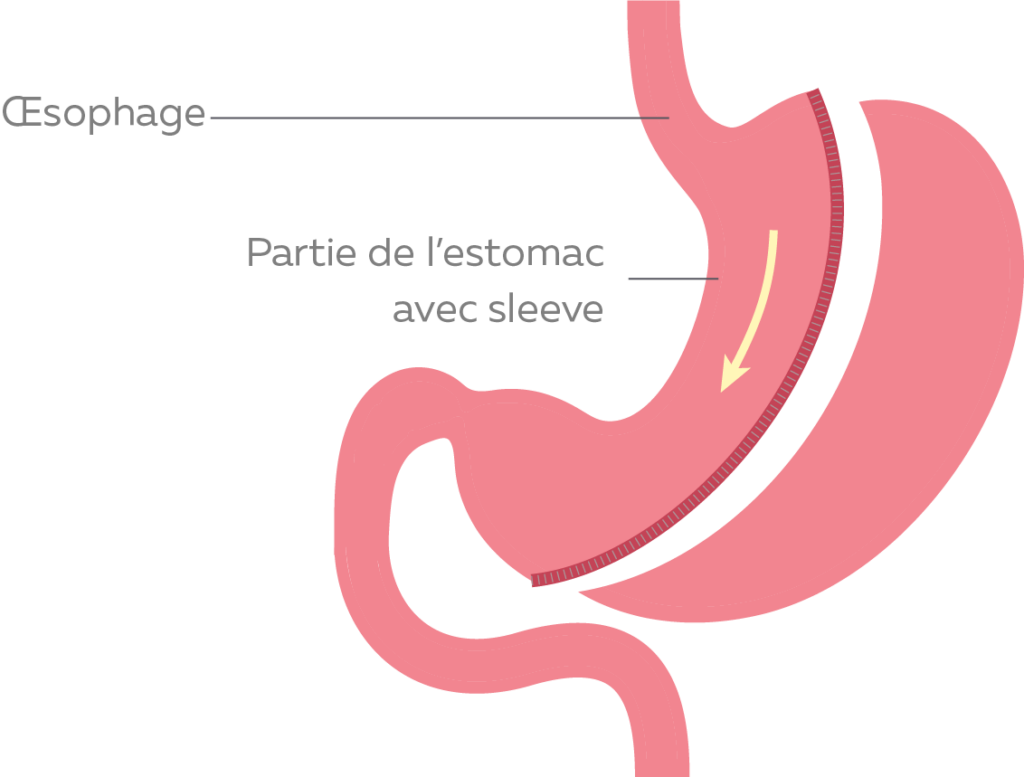
Sleeve gastrectomy
Sleeve gastrectomy is currently one of the most commonly performed procedures in obesity surgery. It involves reducing the stomach’s volume to limit food intake and act on hunger mechanisms.
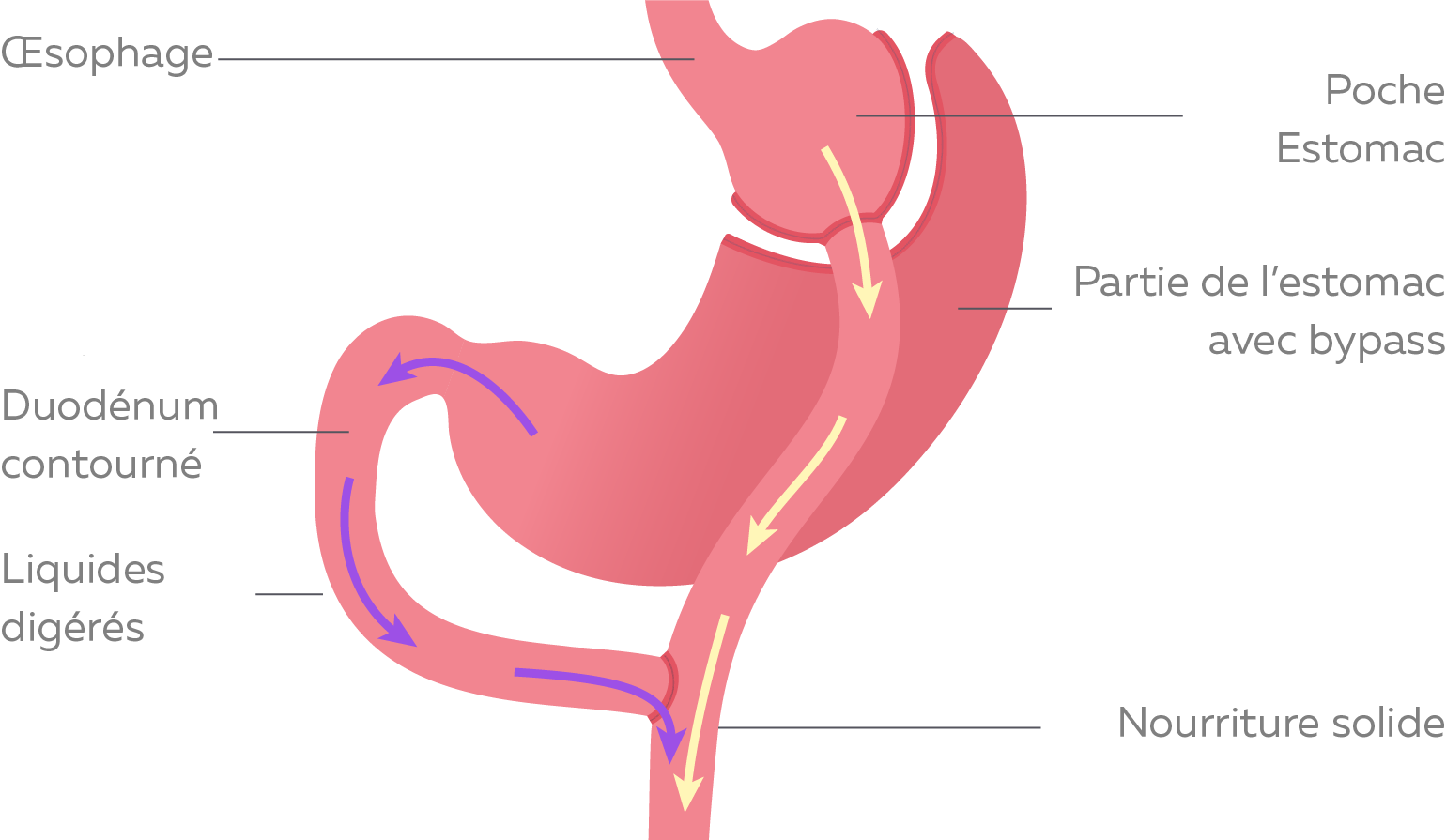
Gastric bypass
Gastric bypass is a surgical procedure that involves changing the digestive tract.
It is based on two main mechanisms:
- a reduction in stomach size
- a bypass of part of the intestine
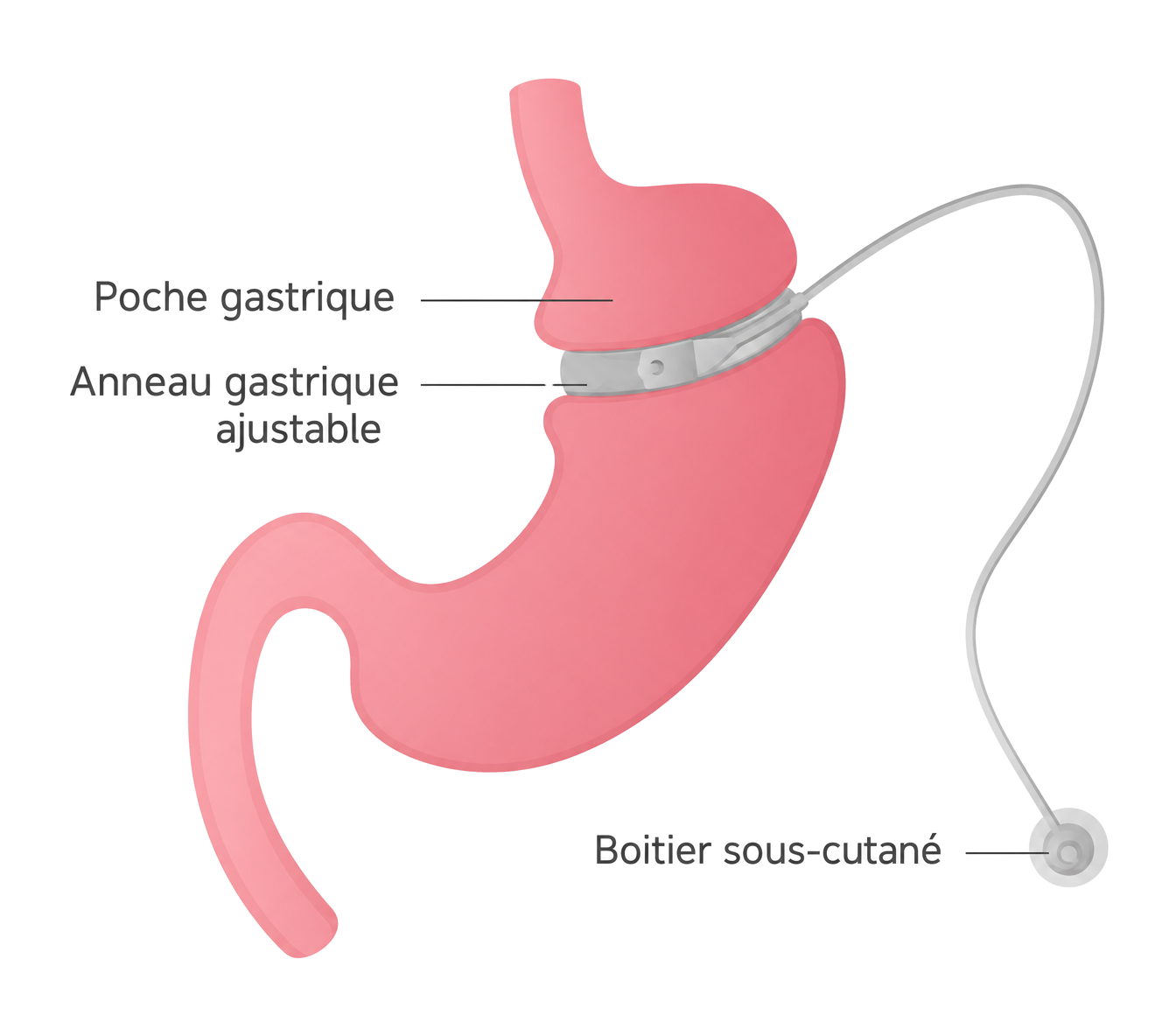
Adjustable gastric band
The gastric band is a technique that involves placing a band around the upper part of the stomach to gradually reduce the passage.
This procedure aims to:
- limit the amount of food consumed;
- slow down the passage of food;
- promote a faster feeling of satiety.
The gastric band was widely used in the past, but it is less common today in the management of obesity.
Certain situations may nevertheless lead to it being considered after medical evaluation.